



Despite being an unusual concept for many, researchers have identified a thriving global market for preserved human remains sold online, a niche interest that they caution could pose health risks.
A recent study featured in the International Journal of Cultural Property and led by Kirsty Squires, a bioarchaeology professor at the University of Staffordshire in Stoke-on-Trent, England, examined 128 online listings from 2015 to 2025 showcasing available human and animal remains.
Squires noted that mummified body parts, including heads, hands, and feet, were frequently displayed or advertised in these online posts.
The study revealed that mummified remains could harbor dormant microorganisms such as bacteria, fungi, and yeast, potentially leading to health complications if mishandled. While some experts downplay the concerns, emphasizing that knowledgeable collectors are unlikely to face significant risks.
Best Practices for Handling Mummified Remains
Squires highlighted that many images online displayed visible signs of decay due to inadequate storage conditions.
She emphasized that while museums adhere to strict environmental controls for preserving mummies, individuals storing such remains in homes or garages lack these regulated conditions, potentially releasing harmful microorganisms when handling the remains.
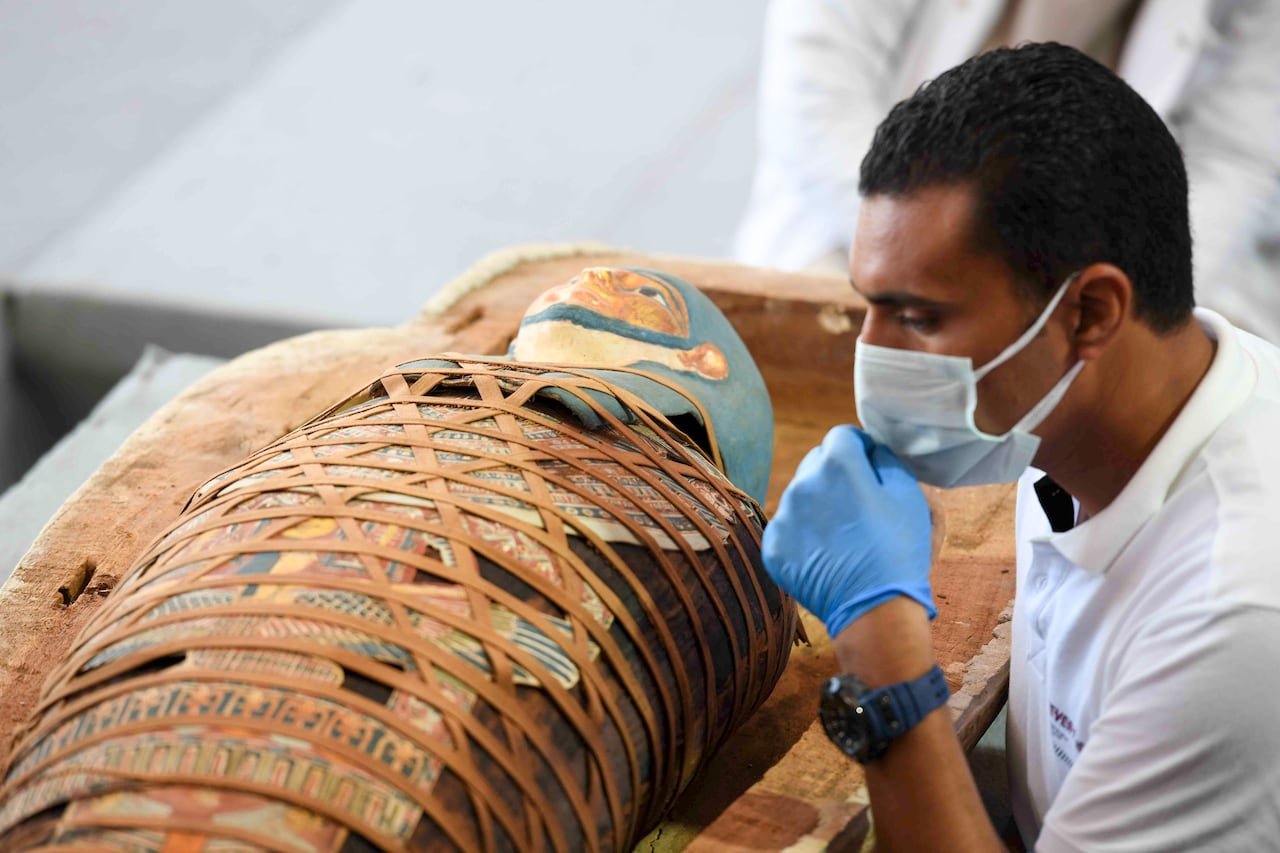
When handling mummified remains for her research, Squires ensures she wears appropriate protective gear, unlike some sellers seen in the online listings.
Immunocompromised individuals face heightened risks when exposed to airborne microorganisms found in mummified tissue, potentially causing respiratory, skin, and eye irritations, in addition to potential exposure to toxic chemicals such as arsenic and mercury used in embalming fluids in the past.
Historical Risks and Concerns
While the study did not report specific cases of illness from handling online-purchased human remains, historical incidents underscore the potential dangers. For instance, in 1973, 10 conservation scientists perished after inhaling common mould spores during the opening of King Casimir the Fourth of Poland’s tomb.
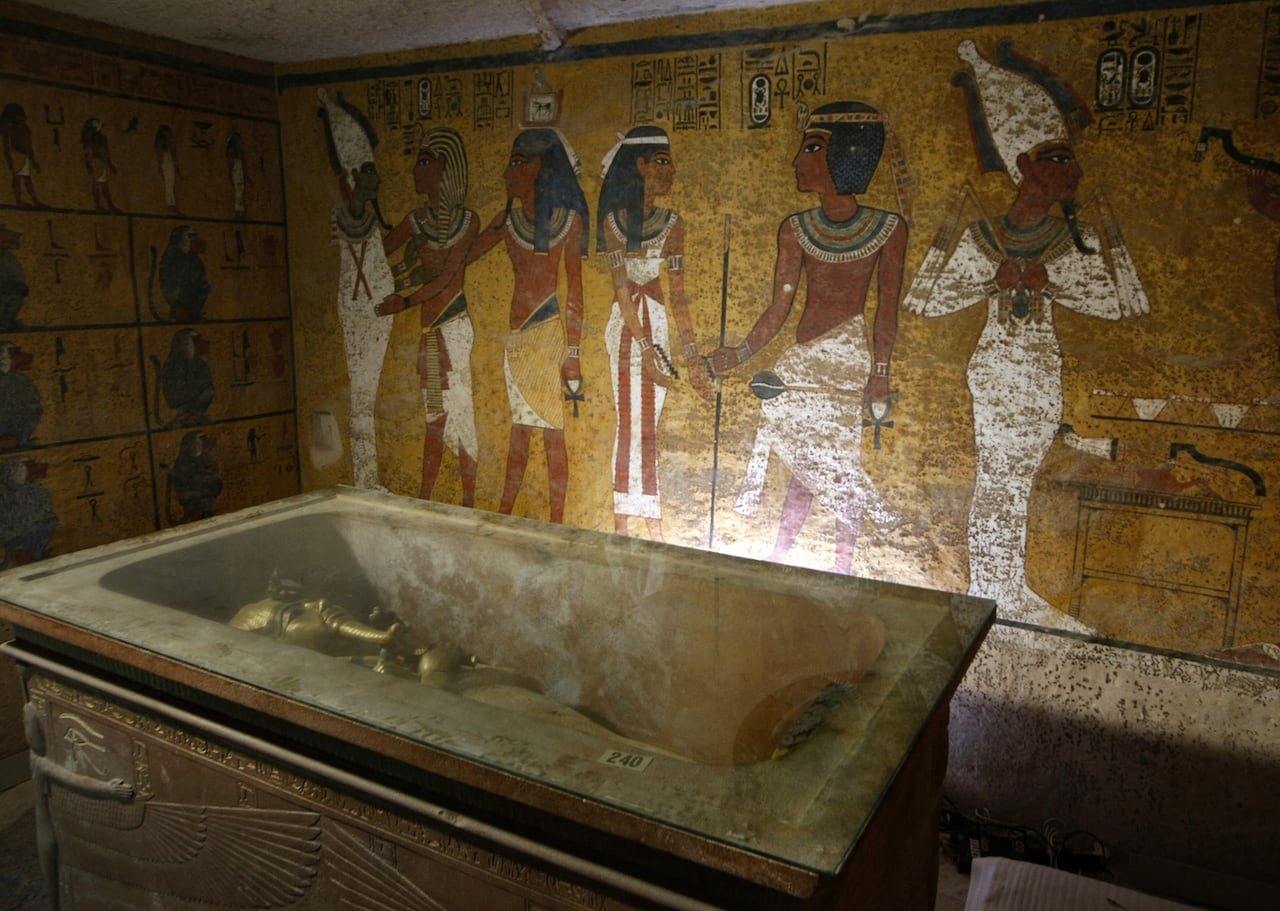
Speculation also suggests that airborne fungal spores may have played a role in the death of Lord Carnarvon in 1923, shortly after entering King Tutankhamun’s burial chamber.
James Scott, a professor specializing in biological hazards, expressed less concern about health risks compared to the ethical implications of trading in human remains. He believes that for collectors who handle items carefully and store them properly, the health risks are minimal.
Insights into Canada’s Human Remains Market
Among the online listings analyzed, 11 originated from individuals in Canada, reflecting a concerning trend according