



The question remains in the realm of prestige television: Is there a necessity for another period drama? Are we in need of yet another adaptation of Jane Austen’s works? More specifically, do we require another rendition of Sense and Sensibility?
For those who recall Ang Lee’s 1995 version of Sense and Sensibility, this query may seem particularly relevant. All of Austen’s novels have received cinematic adaptations, and Sense and Sensibility has been reinterpreted at least five times prior.
Now, we have director Georgia Oakley’s take on Sense and Sensibility, set to release in theaters on October 16. Featuring Daisy Edgar-Jones as Elinor Dashwood and Esmé Creed-Miles as her sister Marianne, with a screenplay by Diana Reid, this adaptation does not aim to replicate the romantic charm of the 1995 film.
Rather, it explores the sisters’ relationship and the economic challenges that restrict their options.
A fresh perspective on the Dashwood sisters
Following their father’s passing, the Dashwood estate is inherited by their half-brother, leaving the sisters with minimal financial security and necessitating a move to a simpler residence. During Austen’s era, a woman’s future was largely dependent on the support of male relatives or the assurance of marriage, making this abrupt shift in status and security particularly alarming.
The film’s visual narrative transitions with them: moving away from the refined sophistication of the drawing room and into the wild countryside, amidst the elements, mud, and unkempt fields.
They engage in gardening, take lengthy walks, run along the shore, and splash in ponds. While Elinor finds solace in sketching and skipping stones, Marianne is often depicted reclining in fields, gazing at the clouds.
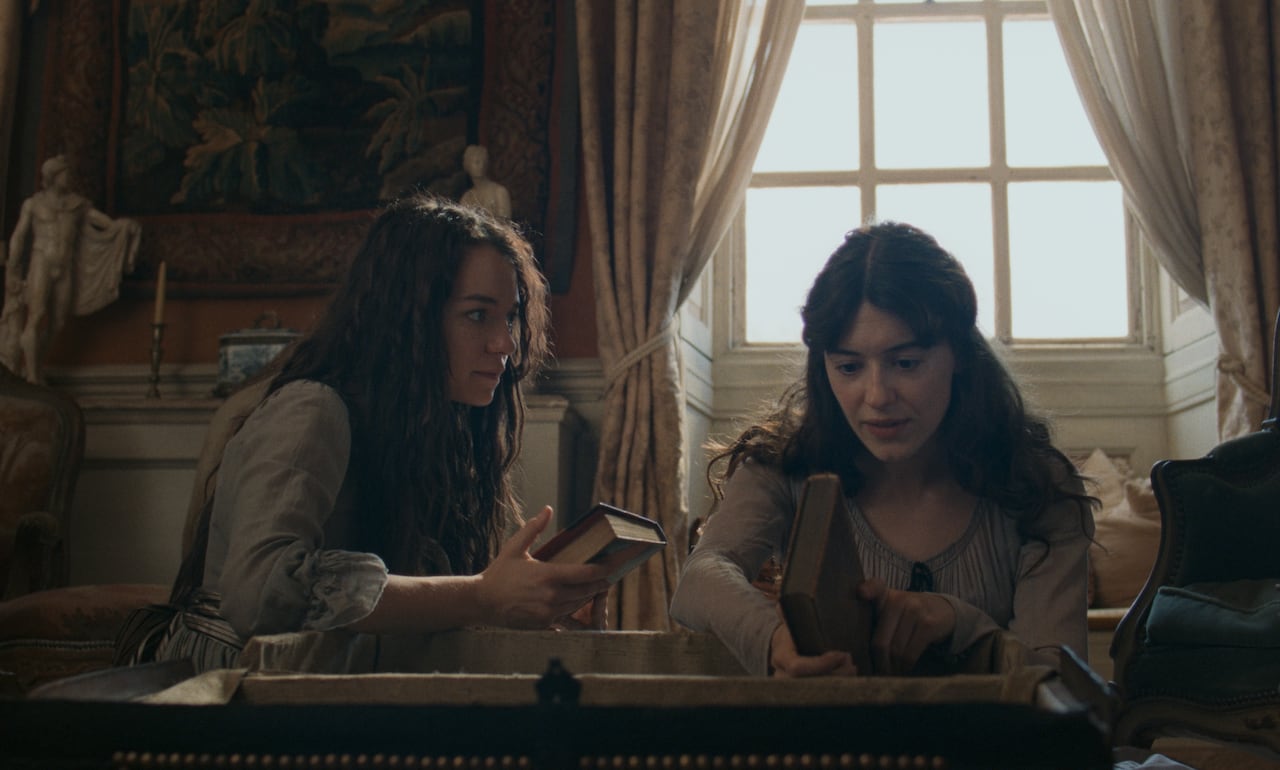
Esmé Creed-Miles as Marianne Dashwood, left, and Daisy Edgar-Jones as her elder sister Elinor sort through their possessions as they prepare to leave their family home. (Universal Pictures)
This more rugged environment makes their vulnerability evident not just financially, but physically as well, bringing their shared experiences into sharp focus.
Elinor’s composed demeanor often masks her deeper emotions, while Marianne’s candid nature makes her more susceptible to disappointment. As the film unfolds, situations compel both sisters to understand each other’s viewpoints.
‘The sisters are the constant’
“They genuinely aimed to prioritize the love story between the two sisters,” Edgar-Jones remarked regarding Oakley and Reid’s vision.
She also shared with CBC News that collaborating with her longtime friend Creed-Miles felt seamless.
“I had an initial impression of who I believed Elinor to be, but it wasn’t until I began enacting those scenes with Esmé’s Marianne that I truly comprehended her,” she explained.
Creed-Miles mentioned that their friendship rapidly fostered a “familial, sisterly, best friend type of dynamic.” She expressed that she “couldn’t have managed the project” without Edgar-Jones’s encouragement.

The cast discusses how the new adaptation of Sense and Sensibility revitalizes Jane Austen’s narrative, focusing on sisterhood and contemporary themes like ghosting and love bombing.
The sisters serve as each other’s confidantes, critics, and sources of support.
Canadian novelist Natalie Jenner, whose book, The Jane Austen Society, is inspired by Austen’s life and writings, believes this connection is one of the reasons the narrative remains impactful.
“Strong family bonds empower you to face any challenge,” Jenner stated. “The sisters are the constant. That sense of reliability and guidance is something you can always return to. I believe that resonates with a modern desire for community and stability,” she shared with CBC News.
A distinct portrayal of Brandon and Willoughby

Marianne’s romantic interests include John Willoughby, portrayed by Frank Dillane, left, and Colonel Brandon, played by Herbert Nordrum. (Universal Pictures)
The male characters in this new film represent a shift away from the archetypes featured in Ang Lee’s 1995 adaptation.
In a conversation with CBC News, Herbert Nordrum described his portrayal of Colonel Brandon as awkward and complex, emphasizing the character’s internal conflict in expressing emotions. This differs from Alan Rickman’s 1995 interpretation, which imbued Brandon with a sense of seriousness and a quiet, powerful devotion to Marianne.
In the 1995 film, Greg Wise depicted Willoughby as a charming romantic figure, making his betrayal all the more jarring. In the 2026 adaptation, Frank Dillane expressed to CBC News his intention to highlight Willoughby’s endearing characteristics — “his joy, enthusiasm, love for life, poetry, and romance” — while still allowing his dubious actions to be apparent. He aimed to present him as a complex young man capable of making errors and experiencing love.
He humorously remarked that Willoughby’s grand romantic gestures would now be termed “love bombing,” and his tendency to overlook Marianne’s correspondence is the period-drama equivalent of “ghosting.”
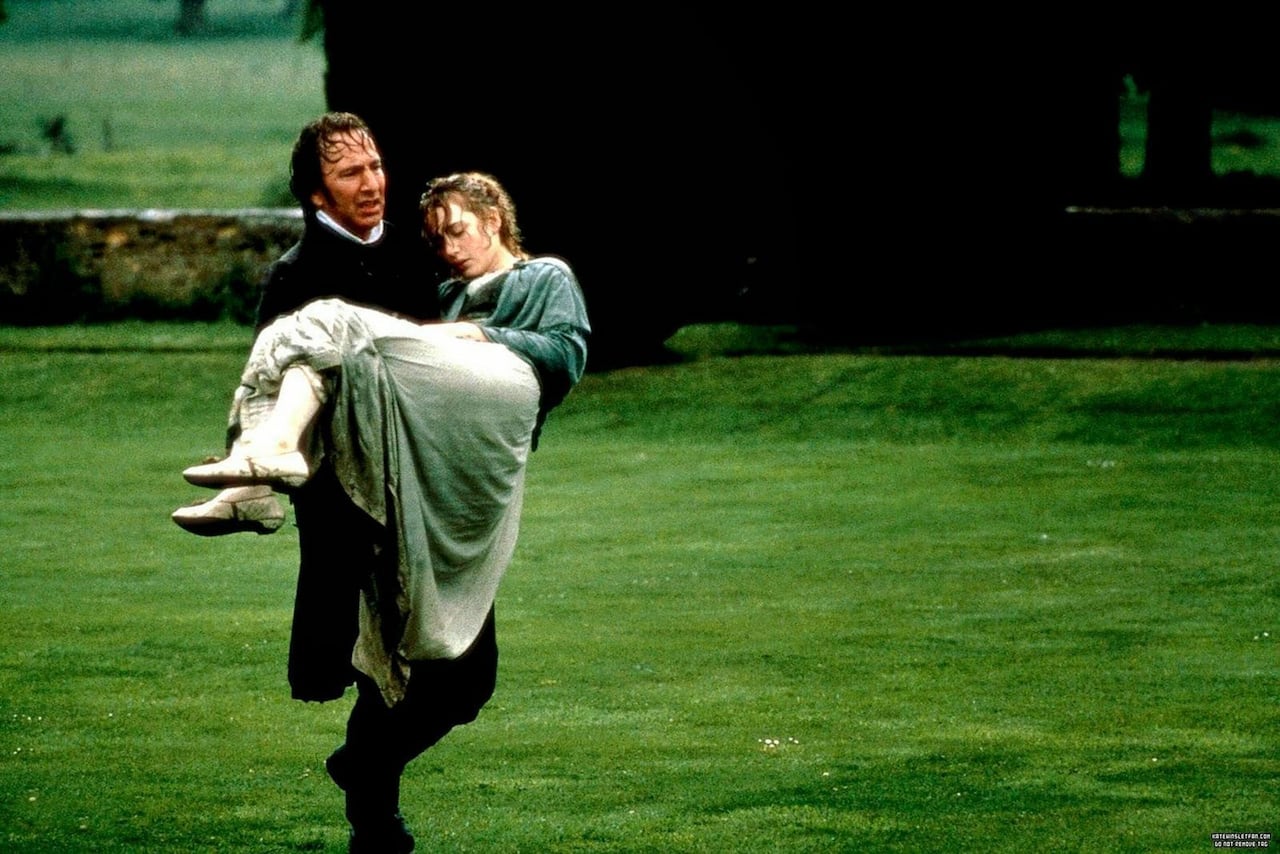
In Ang Lee’s 1995 adaptation of Sense and Sensibility, Colonel Brandon (Alan Rickman) carries Marianne Dashwood (Kate Winslet) through the rain after discovering her gravely ill. (Sony Pictures Releasing)
Austen’s relevance for today’s audiences
While Lee’s film is rich and expansive, Oakley’s version is more subdued and relatable. It does not seek to replace the earlier adaptation; instead, it examines what these narratives signify for contemporary viewers.
Jenner points out that Austen’s characters endure because they strive for happiness without compromising their identities. “Understanding what brings you joy is essential,” she shared with CBC News, “and remaining true to that is vital.”
-
Audio
The everpresent influence of Jane Austen
-
Fact List
70 facts you might not know about iconic British novelist Jane Austen
She introduced her daughter to Austen’s novels and films when she was around seven or eight. Jenner wanted her to encounter characters who embodied “strong will, intellect, brightness, vitality, kindness, and curiosity.”
Jenner believes that younger viewers are seeking more authentic representations — a trend she has observed through discussions with her daughter, who is now in her mid-20s.
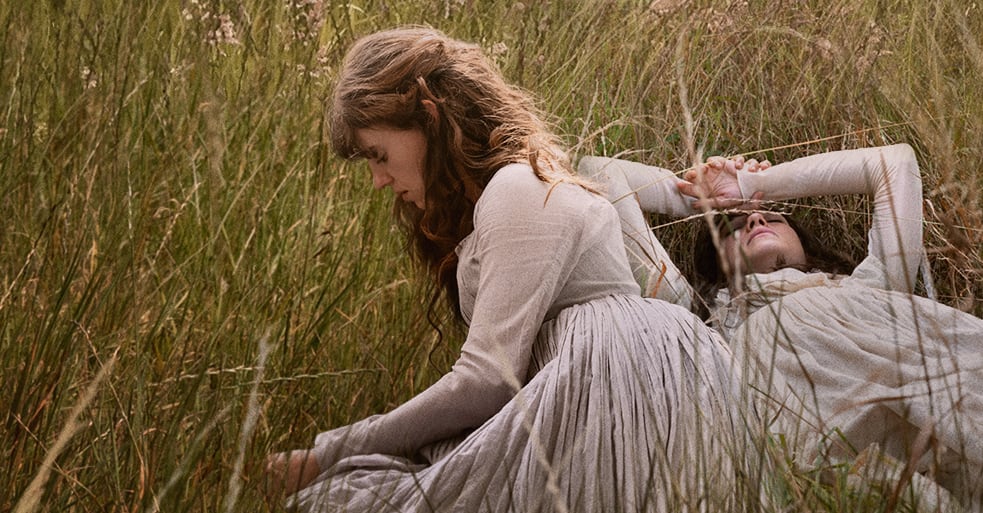
Elinor (Edgar-Jones) and Marianne (Creed-Miles) share a tranquil moment in a field of tall grass. (Universal Pictures)
She notes that post-pandemic, there has been a yearning for a reconnection with nature and the simple joys of picnics, books, and blankets, which have influenced the visual aesthetics of contemporary adaptations.
Jenner asserts that Austen’s work transcends any single decade or artistic style. Her narratives offer romance, alongside themes of friendship, family, community, and the challenging journey of discovering what kind of life will lead to true happiness.
The debate about whether another Sense and Sensibility is necessary persists.
Viewers may indeed conclude that it is needed, not out of a wish to outdo previous adaptations, but because Austen’s tale is timeless enough to warrant an entirely new interpretation.

A new adaptation of Jane Austen’s Sense and Sensibility contemplates that the classic narrative still holds fresh insights. This latest version presents a new viewpoint on the Dashwood sisters as they navigate an uncertain future. Christine Pagulayan explains.
Tag: rewrite-pending