



The Bank of Canada has raised its key policy rate for the first time in three years, which will likely affect mortgage rates for some Canadians.
On Wednesday, the central bank increased its benchmark rate by 0.25 percentage points, bringing it to 2.5 percent. Tiff Macklem, the Governor of the Bank of Canada, indicated that additional hikes may follow if inflation—primarily driven by escalating fuel prices—continues in the coming months.
In response to Wednesday’s announcement, Canada’s major banks have begun to increase their prime interest rates. All five of the country’s largest banks raised their prime rates by 0.25 points to 4.70 percent, which is the rate offered to their most reliable customers.
Variable-rate mortgages will see immediate increases, as they are directly tied to the issuing bank’s prime rate.
New fixed-rate mortgages are influenced by the bond market. When a central bank raises rates, newly issued bonds provide higher returns. This leads lenders to increase mortgage rates to preserve their profit margins as investors seek better yields.
“Selecting between fixed and variable rates in a rising interest rate environment can be quite difficult. Variable rates are lower and offer flexibility, yet future rate hikes must be factored into the budget,” stated Clay Jarvis, a mortgage expert at Ratehub.ca, in a press release following Wednesday’s rate announcement.
“While fixed rates are higher, once you secure your mortgage, your payments are locked in. This kind of predictability may be worth the extra cost,” he added.
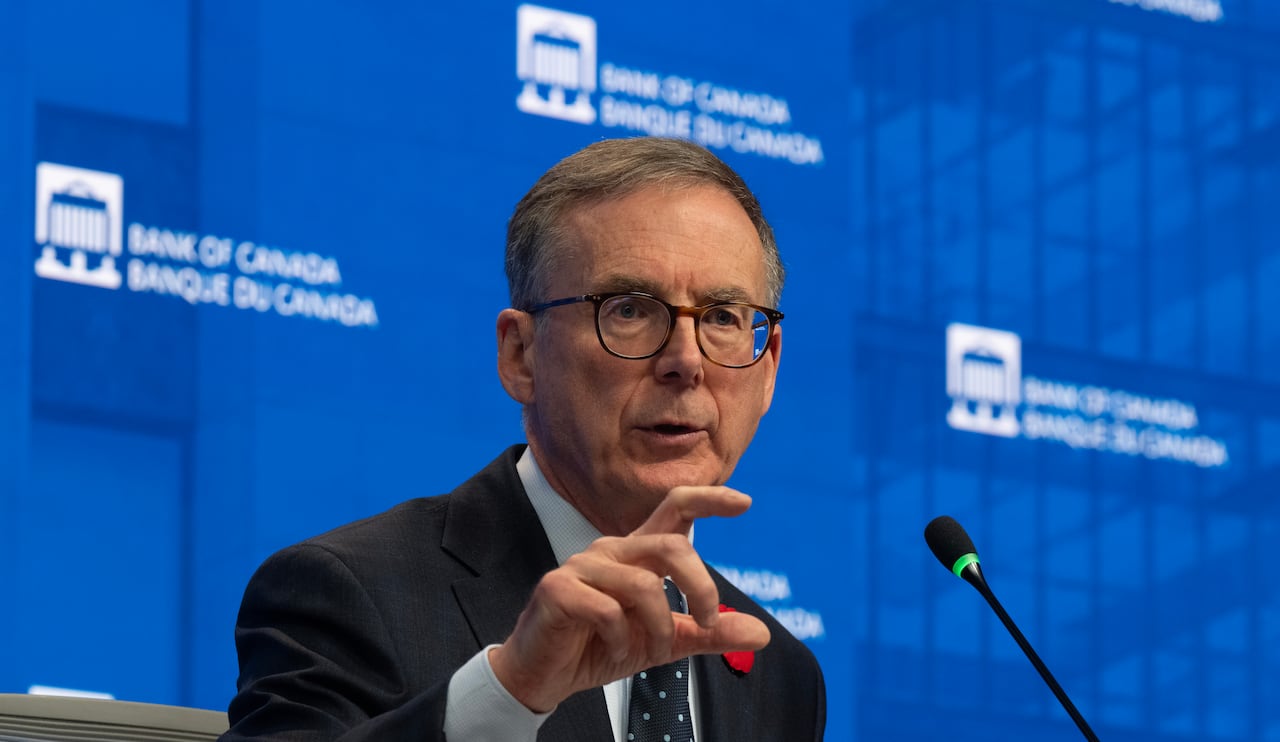
Bank of Canada Governor Tiff Macklem addresses the media during a news conference on Wednesday in Ottawa, where the governing council decided to raise interest rates by a quarter percent. (Adrian Wyld/The Canadian Press)
During a press conference in Ottawa on Wednesday, Macklem recognized that increased interest rates could pose challenges for many Canadians and businesses.
“We understand the discomfort it may cause,” he remarked. “It’s not going to feel good right away, but this is how inflation is controlled, and ultimately, this will benefit Canadians and their businesses.”
Variable rate mortgage holders will feel the impact most
The Bank of Canada’s initial rate hike since July 2023 will have an immediate effect on holders of variable rate mortgages. Marcus Tzaferis, a broker based in Toronto, notes that the impact could be substantial.
For a $500,000 mortgage, a 25 basis point rate increase would raise the average monthly payment by around $70. While it may not appear significant, Tzaferis stated, “for a consumer who is already financially strained, these incremental increases of 25 basis points will have an effect.”
The central bank also indicated that further rate hikes may be forthcoming—if rates were increased by an additional 50 or 75 basis points, Tzaferis noted, “it becomes evident how that will influence people’s monthly budgets.”
Due to the anticipation of rate hikes, Tzaferis mentioned that he has been receiving inquiries from Canadians exploring their options.

Barbara Best stands in her Toronto condo’s kitchen on Wednesday. She has recently transitioned from a variable to a fixed-rate mortgage, stating that the price increase is justified for the peace of mind it provides. (Laura MacNaughton/CBC)
Like Barbara Best, who has held a variable rate mortgage on her Toronto condo since 2022—the same year the Bank of Canada initiated a prolonged series of rate hikes—she recently opted to switch to a fixed rate well before her mortgage renewal date.
Although fixed rates are significantly higher than variable rates at present, she is willing to pay more each month for the added stability.
“It was an increase in my payment, but it provides me with certainty. It gives me peace of mind,” Best expressed.
Tzaferis advises that “now is the appropriate moment” to explore fixed rate mortgages for those wishing to switch from variable rates or for those approaching mortgage renewal.
“The most critical aspect is for Canadians to initiate their renewal process early,” Tzaferis stated. Being informed about the best available rates and starting discussions with an advisor can help consumers make the best choices for their situations, according to Tzaferis.
Hike could dampen the housing market further
This rate increase is likely to exacerbate the existing challenges in the housing market.
Deputy Governor Carolyn Rogers noted that Canada’s housing market is already facing difficulties, especially in Ontario and British Columbia, and that the rate hike will further intensify these issues.
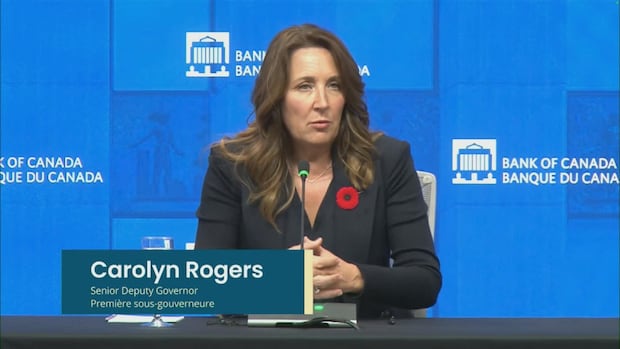
Bank of Canada senior deputy governor Carolyn Rogers stated after the central bank raised a key interest rate that the organization’s housing outlook is ‘pretty subdued’ for several reasons, including overall economic uncertainty.
The rate hike on Wednesday reduces the number of potential buyers, shifting the balance of power from sellers to those who can secure the necessary financing for purchases. This may lead to a decline in home prices.
Earlier this month, the Canadian Real Estate Association (CREA) lowered its projections for 2026 home sales for the third time this year.
Joel Fox, the chief operating officer of the Toronto-based real estate law platform Ownright, concurs that Wednesday’s rate increase will contribute to the negative sentiment in the housing market.
“A rate hike likely ensures that we will see year-over-year reductions in housing activity for the remainder of this year and into the next, and I don’t anticipate any improvement until rates decrease,” he stated after Wednesday’s rate decision.
“The market is already as grim as it has been in a long time. The only silver lining is that it’s difficult to envision it declining much further.”